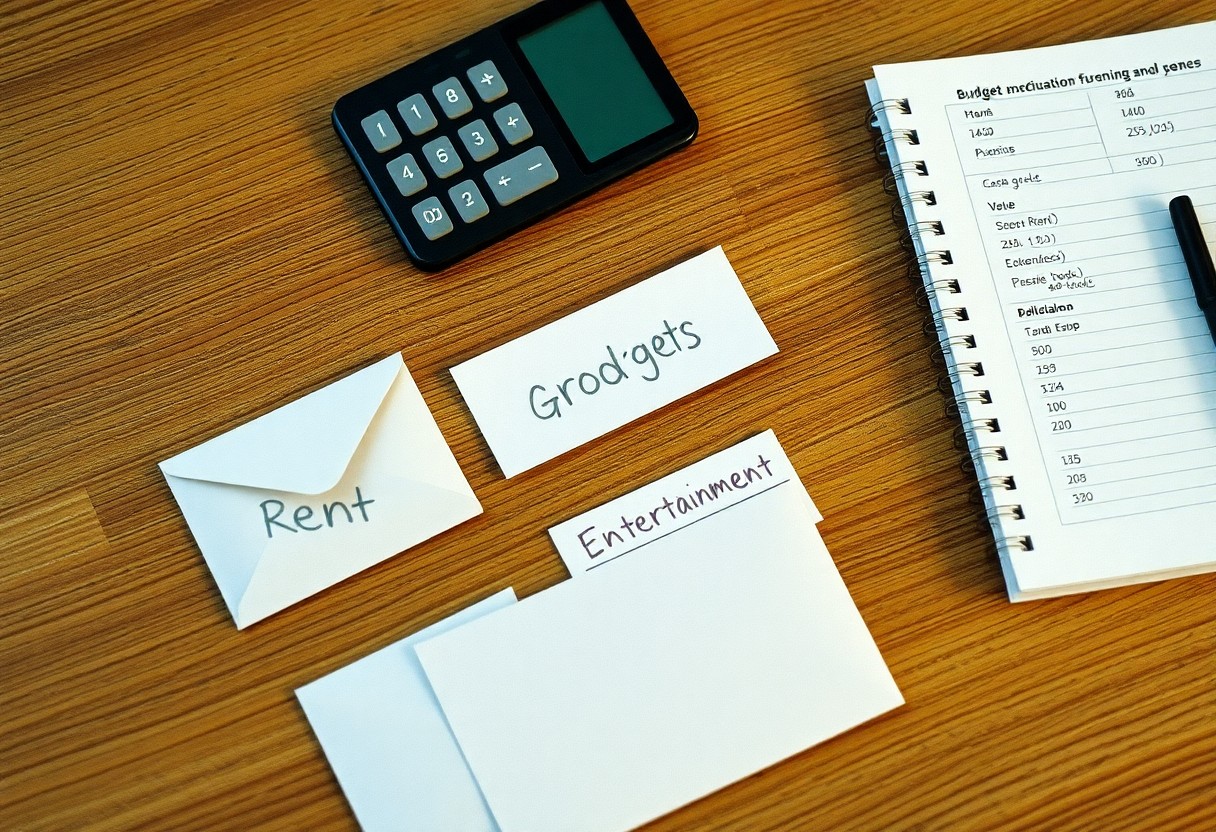
How Does the Cash Envelope Method Help You Save?
Over time, the cash envelope method can transform your financial habits by providing a tangible way to manage spending and save effectively. By allocating cash to specific categories, you gain greater awareness of your budgeting practices and limit overspending. This method encourages you to stick to your budget, making it easier to achieve your financial goals with less stress. By focusing on physical cash, you can avoid the pitfalls of credit card debt and foster a more disciplined approach to your finances.
Understanding the Cash Envelope Method
While managing your finances can feel overwhelming, the cash envelope method offers a simple, tangible solution. This budgeting technique uses physical envelopes to allocate specific amounts of cash for different spending categories, helping you stick to your budget and observe your spending habits directly.
Overview of the Method
Cash envelope budgeting involves designating specific cash amounts for distinct categories in your budget, such as groceries, entertainment, and utilities. You place cash into labeled envelopes for each category, enabling you to see exactly how much you can spend and preventing overspending.
Key Components
While the cash envelope method may seem straightforward, it incorporates several key components vital for successful budgeting. You start by assessing your monthly expenses and setting realistic spending limits for each category. This method encourages discipline in your spending habits, as once the cash in each envelope is depleted, you cannot spend any more in that category until the next budget cycle. Additionally, consider keeping an emergency envelope to deal with unforeseen expenses without derailing your overall budget.
Envelope budgeting supports awareness of your financial habits and enhances your ability to prioritize needs over wants. The tactile experience of handling cash can reinforce your connection to your budget, preventing unnecessary impulse purchases. Ensure each envelope is designated for specific categories, which helps you visualize where your money goes and maintains accountability in your spending.
Types of Expenses to Use with Cash Envelopes
Even though the cash envelope method can be applied broadly, you should focus on specific types of expenses to maximize your savings. These include:
| Groceries | Dining Out |
| Transportation | Entertainment |
| Clothing | Personal Care |
| Miscellaneous | Gifts |
| Household Supplies |
Assume that you strategically allocate cash to these envelopes. This will help you stay on track with your financial goals.
Fixed Expenses
While fixed expenses like rent or mortgage payments are less flexible, you can still effectively manage these with dedicated cash envelopes. By setting aside specific amounts for these obligations, you ensure that you cover your vital bills without overspending.
Variable Expenses
To utilize the cash envelope method effectively for variable expenses, identify those costs that can fluctuate each month, such as groceries and entertainment. Allocating a set amount to these envelopes allows you to control your spending while still enjoying some flexibility.
Fixed expenses typically represent your regular monthly commitments, while variable expenses can vary in amount and frequency. By distinguishing between these two types, you can allocate your cash wisely. For variable expenses, it’s important to set realistic limits based on your lifestyle needs, avoiding overspending that can lead to financial strain. Allocating cash to these categories empowers you to spend freely within limits while prioritizing vital payments.
Step-by-Step Guide to Implementing the Cash Envelope Method
Assuming you’re ready to take control of your finances, implementing the cash envelope method involves systematic steps that simplify your budgeting process. You’ll start by setting your budget, followed by assigning specific envelopes for each spending category. This structured approach helps you track your expenses more effectively.
| Step | Description |
|---|---|
| 1 | Set your budget according to your monthly income and expenses. |
| 2 | Assign amounts to specific envelopes for different expense categories. |
| 3 | Begin using cash from envelopes for each category. |
Setting Your Budget
Even if you have variable income, it’s important to identify all your basic expenses first. Categorize them into fixed and variable expenses, ensuring that your budget reflects your realistic spending habits. This foundation allows you to allocate funds accurately in the following steps.
Assigning Envelopes
To effectively manage your expenses, you’ll need to assign specific envelopes for fixed and discretionary spending categories, such as groceries, entertainment, and utilities. This helps you visually track your spending and prevent overspending.
Methodically assigning envelopes creates a clear spending path for you. Each envelope represents a particular category, enabling you to physically grasp how much money is allocated to what purpose. This visual representation can lead to more mindful spending, helping you avoid the pitfall of using credit cards or overspending from your accounts. With this method in play, you’ll find it easier to stick to your budget and foster positive financial habits.
Tips for Success with the Cash Envelope Method
Your success with the cash envelope method hinges on some key strategies. First, establish a clear budget and allocate your cash wisely. Track your spending diligently, so you stay within your limits. Use envelopes labeled for specific categories, like groceries or entertainment. Regularly review your progress and adjust your budget as needed. Finally, involve your family in this method to promote accountability. The more committed you are, the more successful you’ll be.
Staying Disciplined
Envelope systems require discipline to thrive. It’s imperative to avoid borrowing from one envelope to cover another. Set strict rules for yourself regarding spending limits and stick to them. Use envelopes only for intended purposes; any overspending can disrupt your financial goals. This discipline ensures that you stay aligned with your budget, fostering positive financial habits.
Adapting to Lifestyle Changes
With changes in your life, it’s vital to reassess your cash envelope system. Whether it’s a new job, moving, or changes in family size, adjust your budget categories to reflect your current financial situation. It’s normal for your envelopes to require updates. Regularly evaluate the categories you use and make modifications as needed to avoid frustration and maintain your savings. Staying flexible and adapting your envelopes will enable you to continue benefitting from this effective system.
Success in adapting your cash envelope method to your changing circumstances is imperative for sustained financial health. By evaluating your current needs, you can keep your categories relevant and ensure your budget remains effective. For instance, if you start a family, increase your grocery envelope while adjusting entertainment expenses. Being aware of these changes and reacting positively allows you to continue saving without losing motivation. This flexibility can lead to stronger financial practices and enhance your overall financial wellbeing.
Factors That Influence Effectiveness
Keep in mind several factors that affect the effectiveness of the cash envelope method. Understanding these can enhance your saving efforts:
- Personal commitment
- Budgeting strategy
- Spending discipline
Recognizing these elements can significantly improve how well you manage your finances.
Personal Financial Goals
Assuming you have clear financial objectives, the cash envelope method becomes a powerful tool. It allows you to allocate funds toward specific goals, ensuring your spending aligns with what matters most to you.
Spending Habits
The cash envelope method brings awareness to your spending habits, enabling you to identify areas for improvement. You will find it easier to track and manage your expenses consistently.
With this method, you may uncover dangerous patterns, such as impulsive purchases or overspending in certain categories. By placing limits on cash for specific expenses, you can develop more positive habits and build stronger financial discipline over time. Embracing this method encourages a more mindful approach to spending, ultimately leading to improved financial health.
Pros and Cons of the Cash Envelope Method
After exploring the benefits and drawbacks, it’s necessary to weigh the pros and cons of the cash envelope method to determine if it suits your financial goals.
Pros and Cons
| Pros | Cons |
|---|---|
| Enhances awareness of spending | Can be inconvenient to carry cash |
| Encourages disciplined budgeting | Limited to cash-only purchases |
| No overspending in categories | Difficult to track online expenses |
| Promotes savings habits | Requires time to set up |
| Simple to understand | Risk of losing cash |
Advantages
While the cash envelope method helps you allocate and visualize your budget, it significantly enhances your spending habits. By using cash, you become more mindful of each purchase, which naturally curtails impulsive buying. Having a physical representation of your budget empowers you to stick to your limits, ultimately fostering a more disciplined approach to your finances.
Disadvantages
An inherent limitation of the cash envelope method is its reliance on cash, which can pose challenges in today’s digital shopping world. You may find it less convenient when handling online transactions or emergencies requiring cashless payments.
Disadvantages can also include the cumbersome nature of physically carrying cash, which may not always be practical. The method requires discipline and consistent tracking to avoid overspending across categories. Additionally, losing cash can lead to irrecoverable losses, making it imperative that you handle your cash carefully. This method may not suit everyone, especially if you often make electronic purchases or struggle with organization and budget discipline.
Final Words
Following this method, you gain better control over your spending by allocating specific amounts of cash for different expense categories. This tactile approach provides immediate visibility into your finances, helping you prioritize necessary expenses while curbing impulse purchases. As you physically handle your money, you become more aware of your spending habits, ultimately reinforcing your commitment to saving. Adopting the cash envelope method can effectively guide you towards achieving your financial goals, ensuring that you stay within budget and progressively build your savings.